
Step ZeroWelcome to Recentre1
- 1 Section
- 1 Lesson
- Lifetime
- Week Zero1
Step OneLife with & Beyond Cancer21
- 3 Sections
- 21 Lessons
- Lifetime
- Week One7
- Week Two7
- Week Three7
Step TwoSupporting your Wellbeing4
- 3 Sections
- 4 Lessons
- Lifetime
Step ThreeMaintaining your Wellbeing3
- 3 Sections
- 3 Lessons
- Lifetime
- Week Seven1
- Week Eight1
- Week Nine1
Step FourLooking Forward3
- 3 Sections
- 3 Lessons
- Lifetime
- Week Ten1
- Week Eleven1
- Week Twelve1
Day Two | Stretching & Flexibility
Stretching & Flexibility
WEEK TWO | DAY TWO
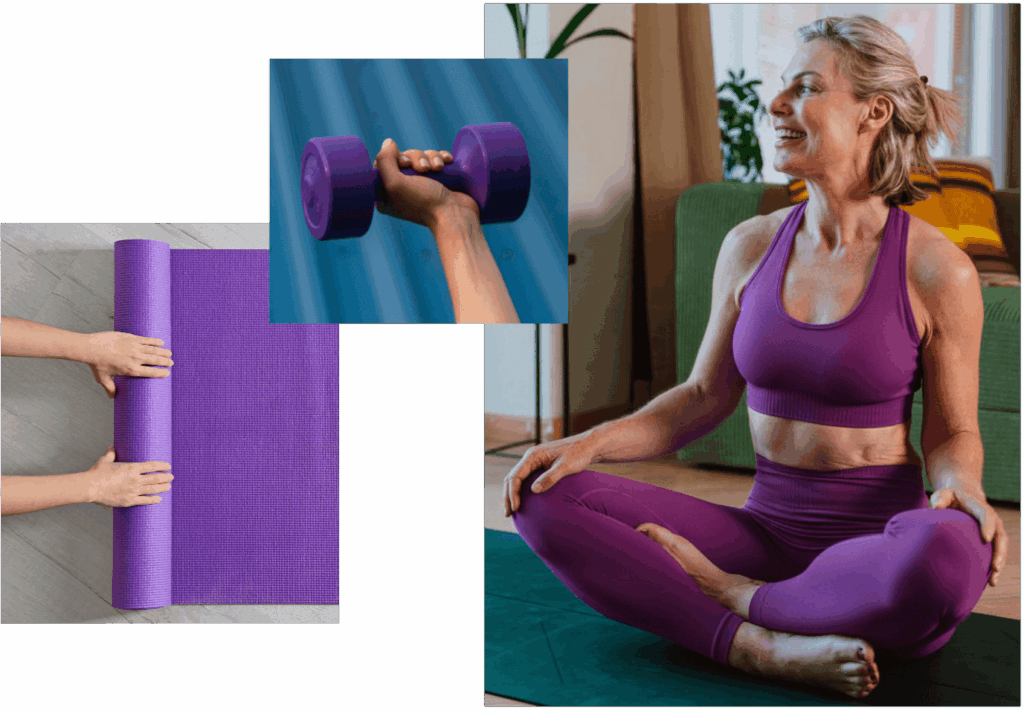
Flexibility is one of the most underrated types of fitness. Stretching is important to help minimise injuries and to allow your muscles and joints to perform their best range of movement. Stretching can be done as part of a cardiovascular or strength exercise session, or separately, in a yoga class for instance.
To get the most out of stretches, the muscles should be warmed up. You could include your stretching at the end of a walk or strength training session. After your exercise today (or, for newcomers, your walk) add the following stretches when you have finished. It should only take you an extra five minutes or so to perform them.
Next - Stretching
Stretching
Stretching should be done slowly in a controlled manner. When doing your stretches:
- Avoid bouncy movements.
- Hold each stretch for 15–20 seconds, alternating each side.
- Repeat 3–4 times on each side.
- As you breathe out, relax, and move deeper into the stretch.
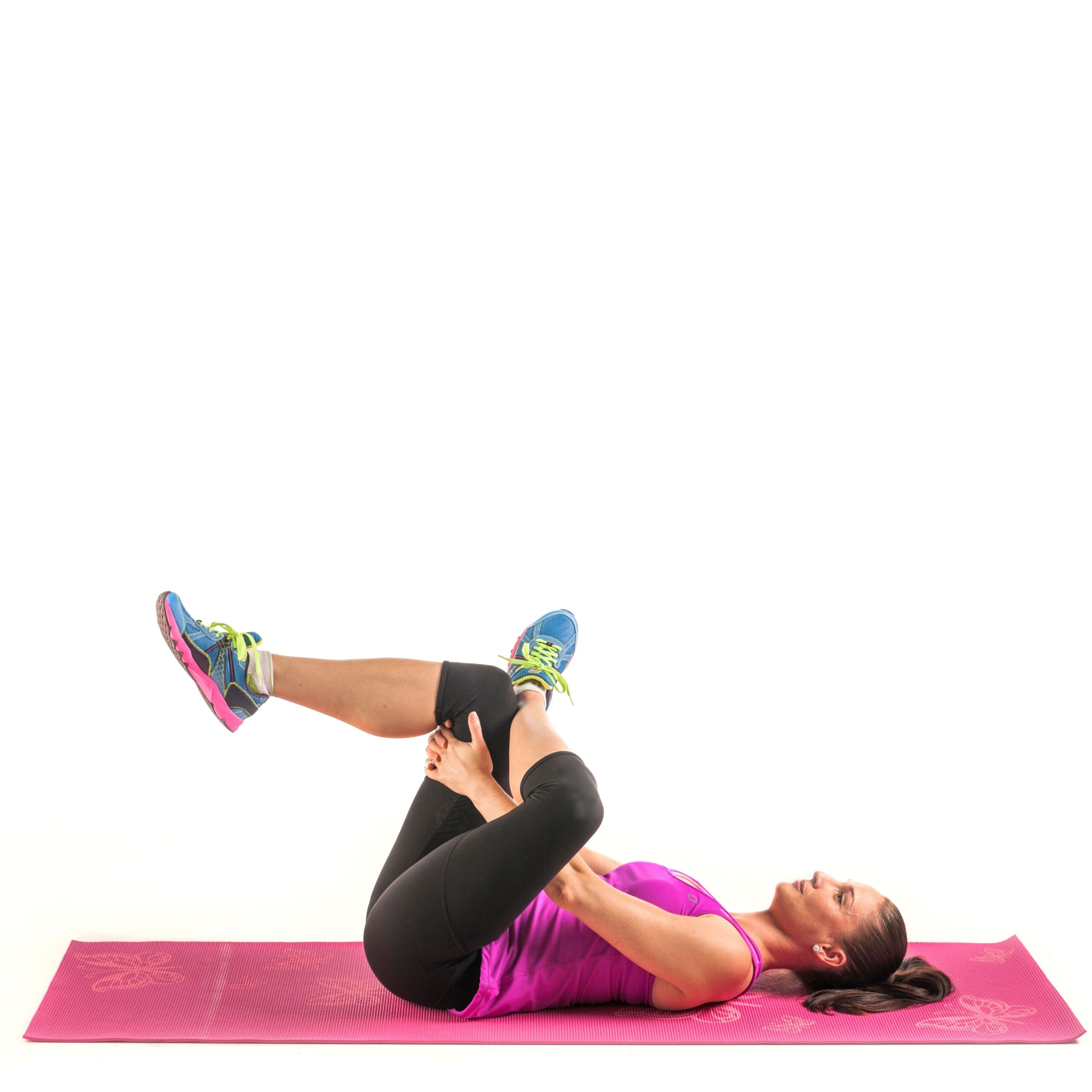
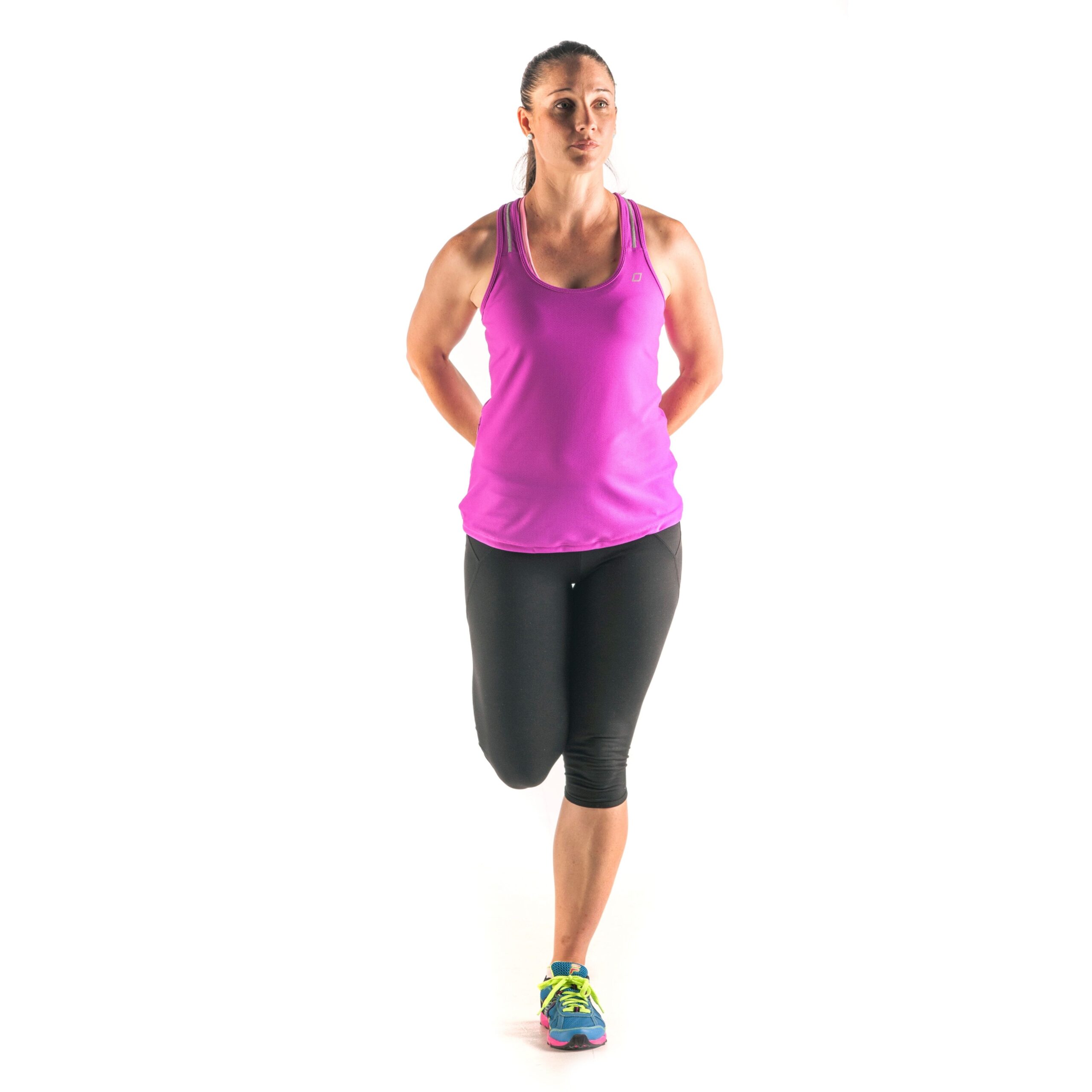
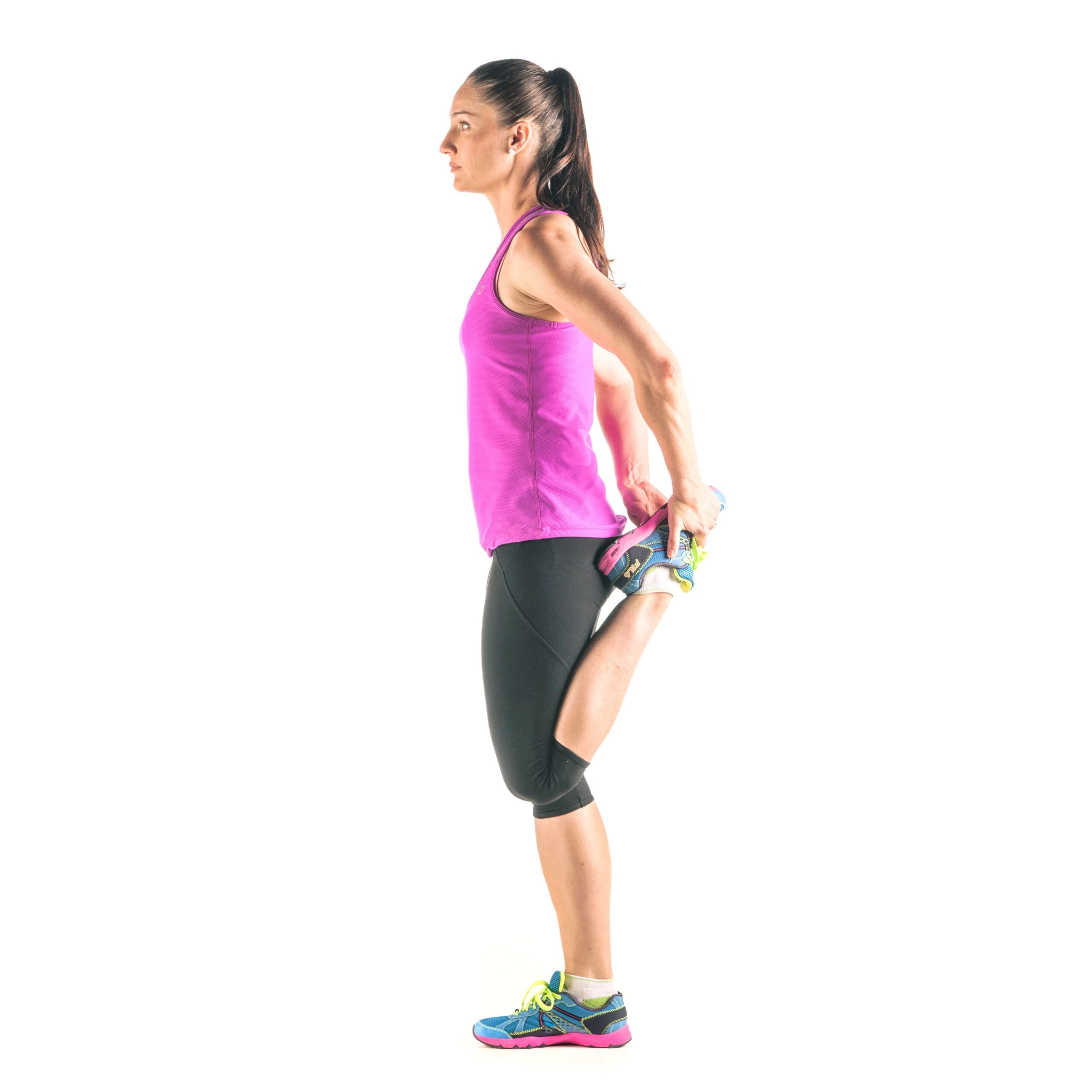
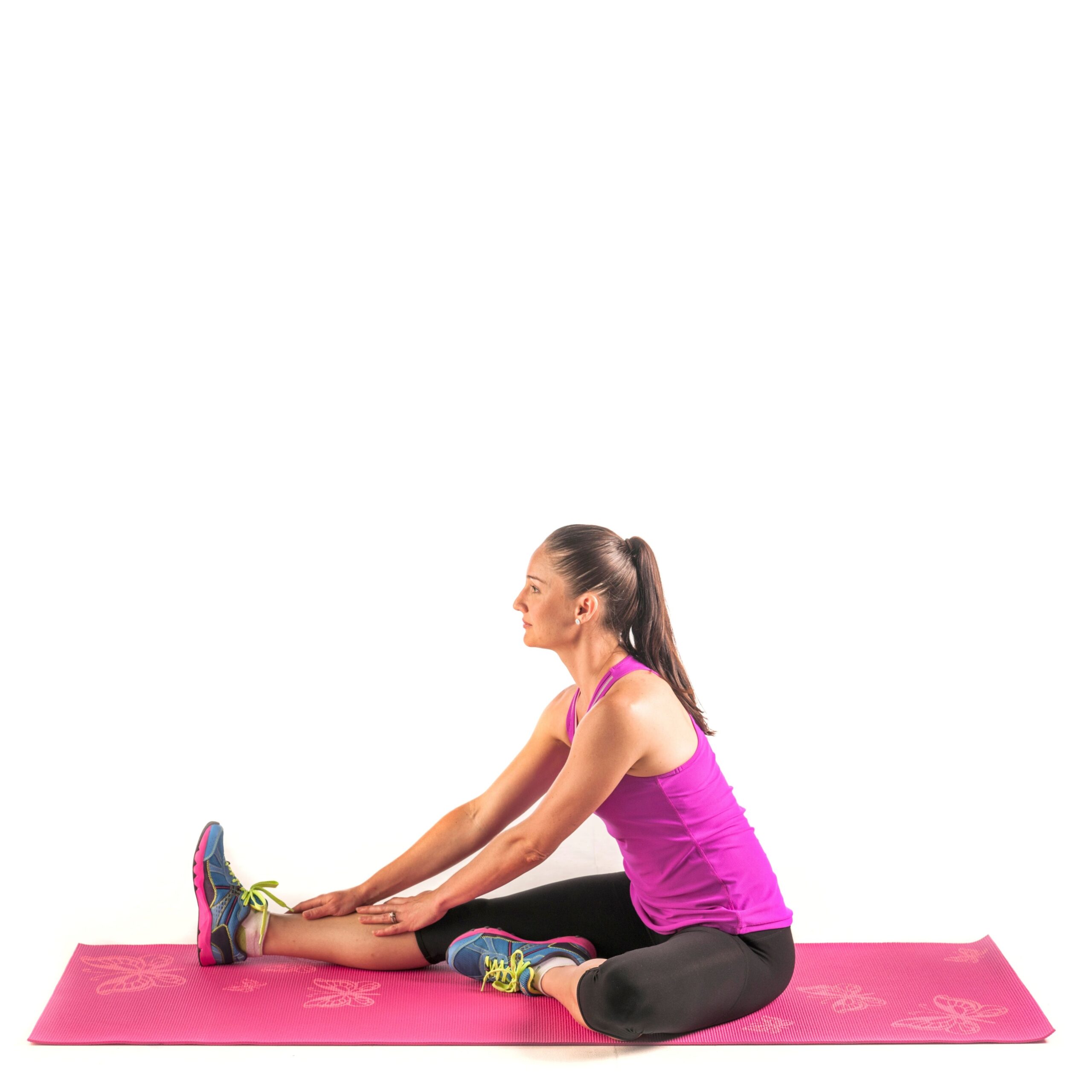
There are five important stretches:
- Hamstring (back of the thigh)
- Quadricep (front of the thigh)
- Gluteals (bottom)
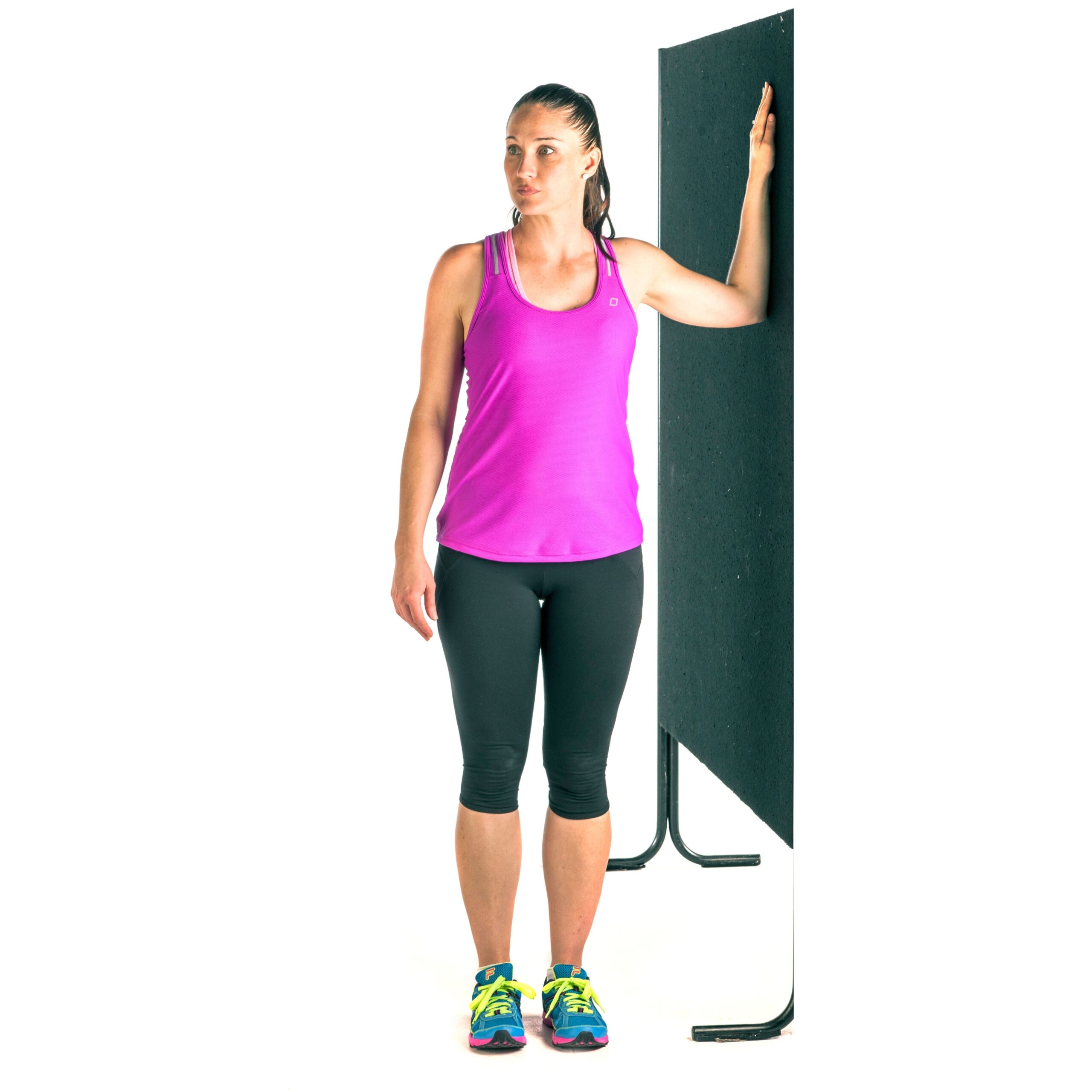
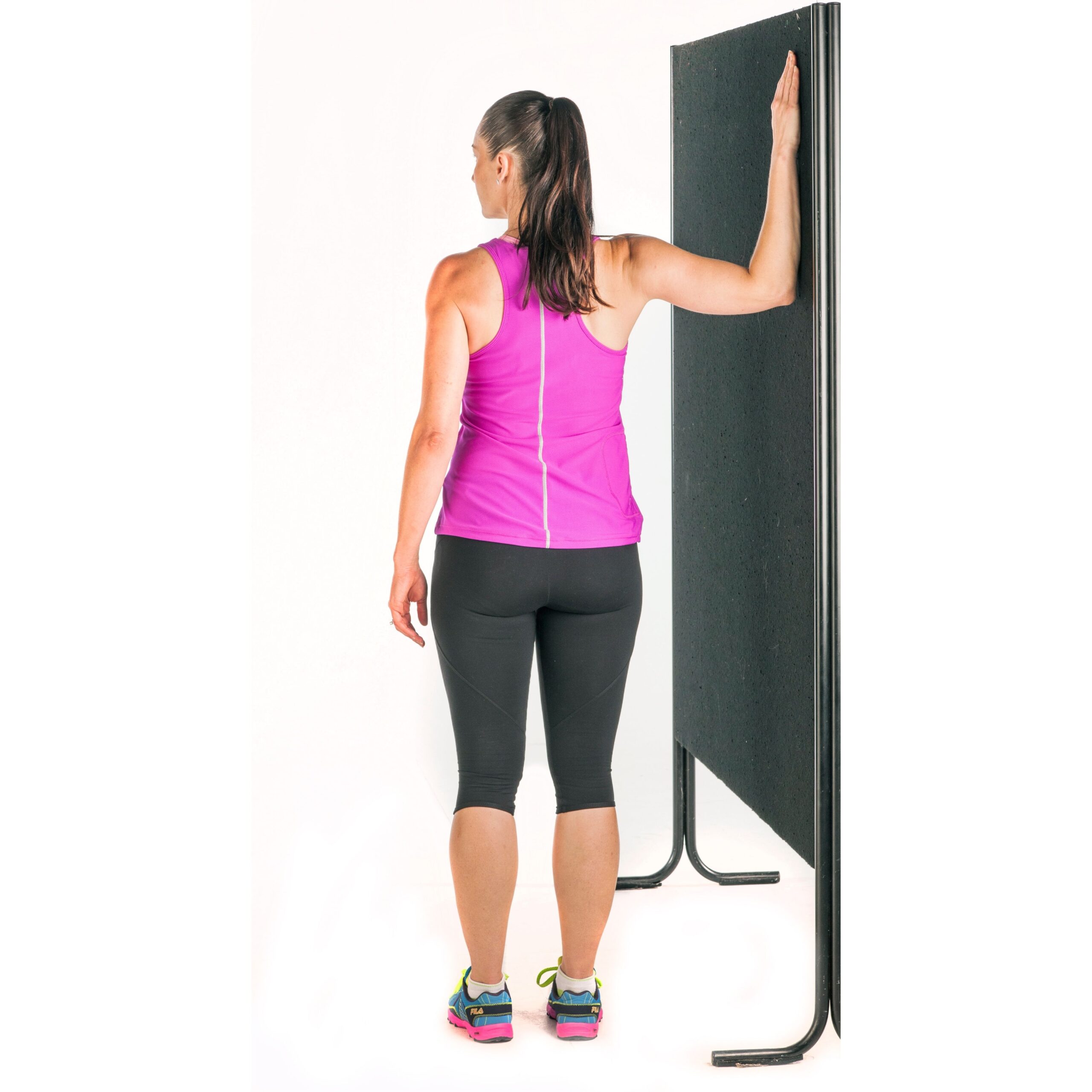
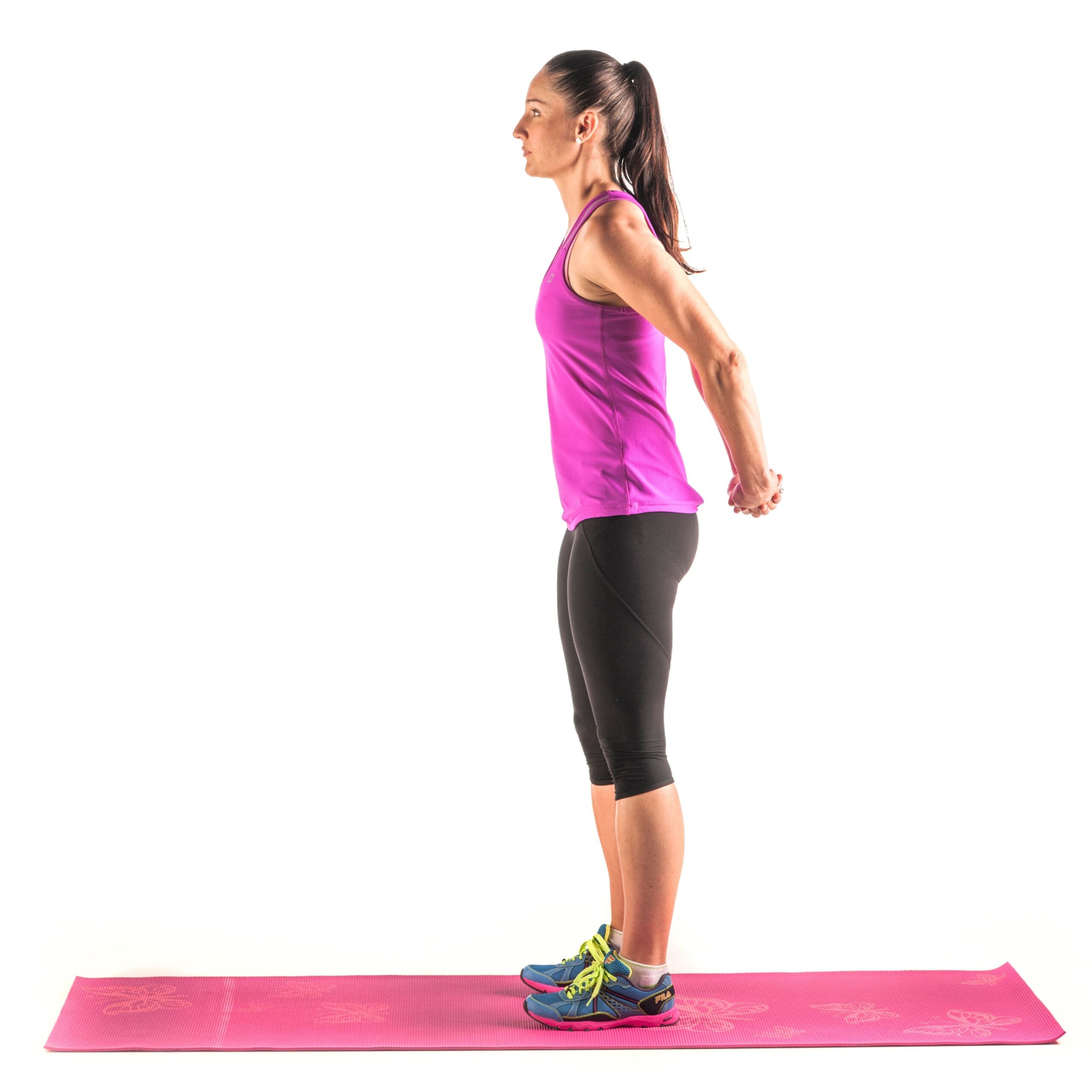
- Shoulder
- Chest
Next - Balance
Balance
It is also a good idea to incorporate balance exercises into your daily exercise routine. Balance exercises help prevent exercise injury and, as we age, they help to reduce our risk of injury from falls. Think about incorporating the following simple balance exercises into your day10:
- Single leg balance – raise one foot slightly and balance on one leg for one minute, swap sides.
- Walking heel to toe – walk carefully in a straight line, placing one foot in front of the other so that the heel of one foot touches the toes of the other.
- When sitting or standing from a chair, try not to use your hands.
- Repeat these exercises at least daily.
If you feel your balance is poor and that this affects your ability to exercise, you might want to consider getting some advice and further exercises from a physiotherapist or exercise physiologist. Regular yoga or pilates is also an excellent way to improve your flexibility, balance and strength, which we will talk about tomorrow!
Next - Stretching After Pelvic Surgery
Stretches After Pelvic Surgery
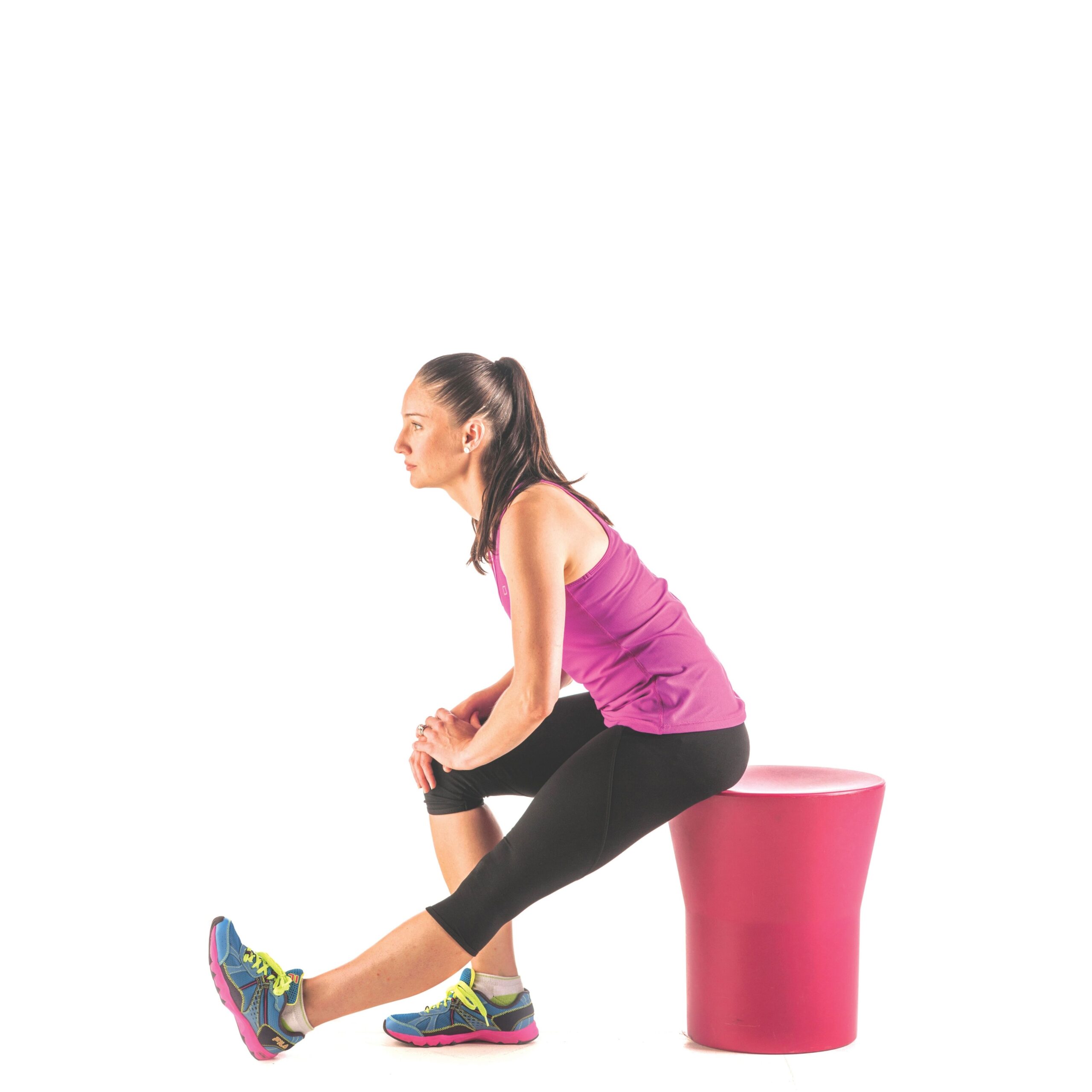
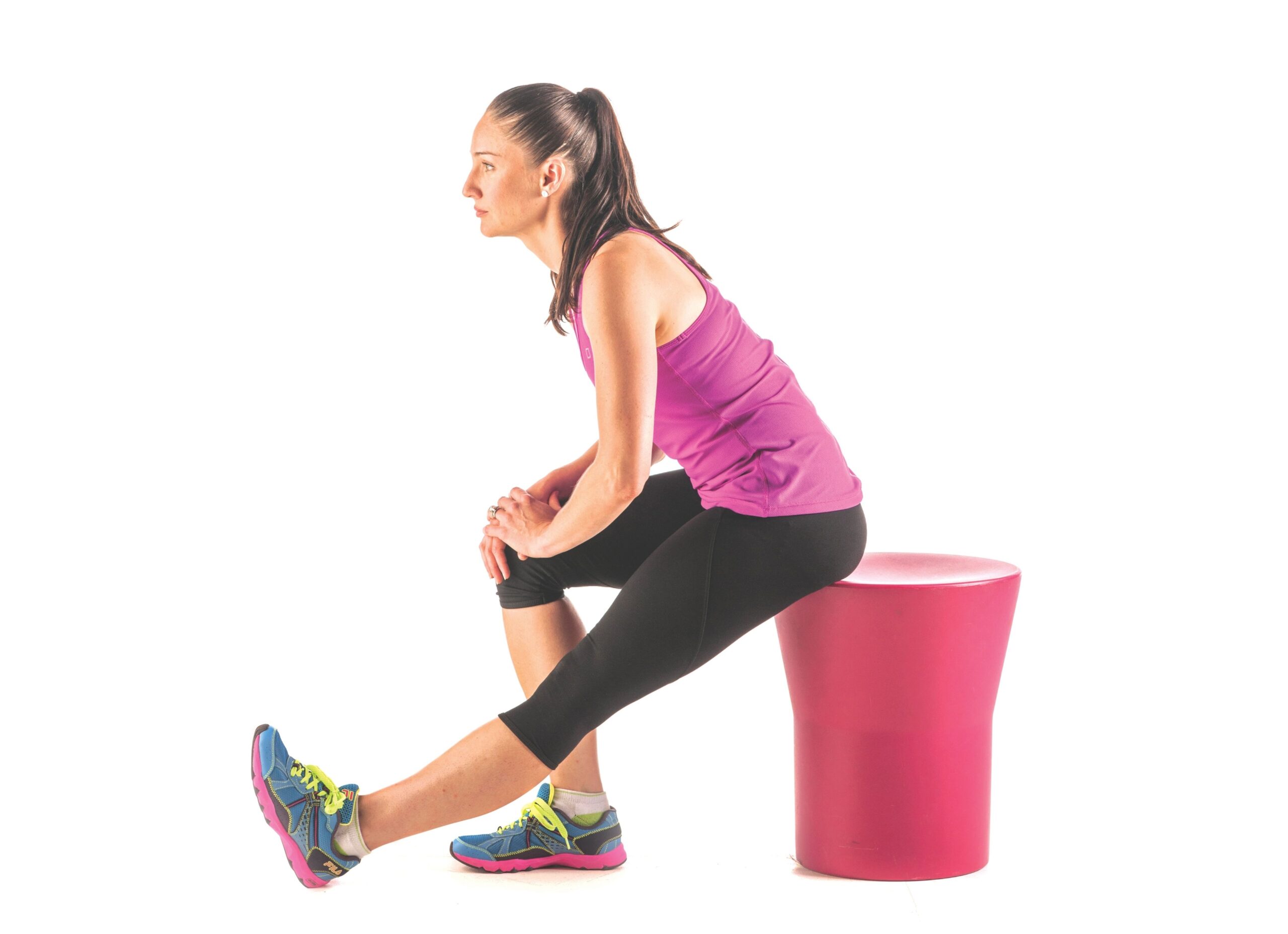
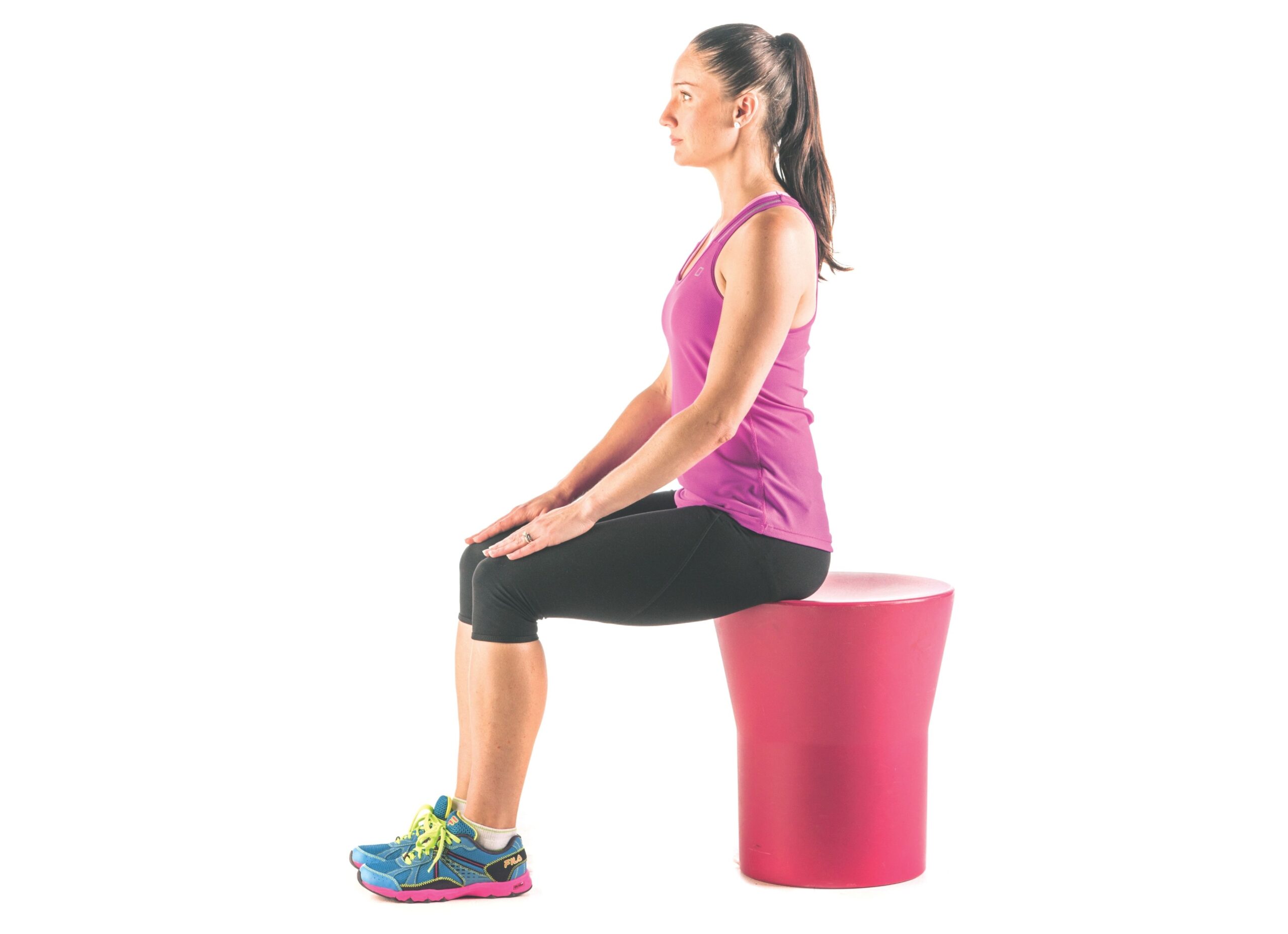
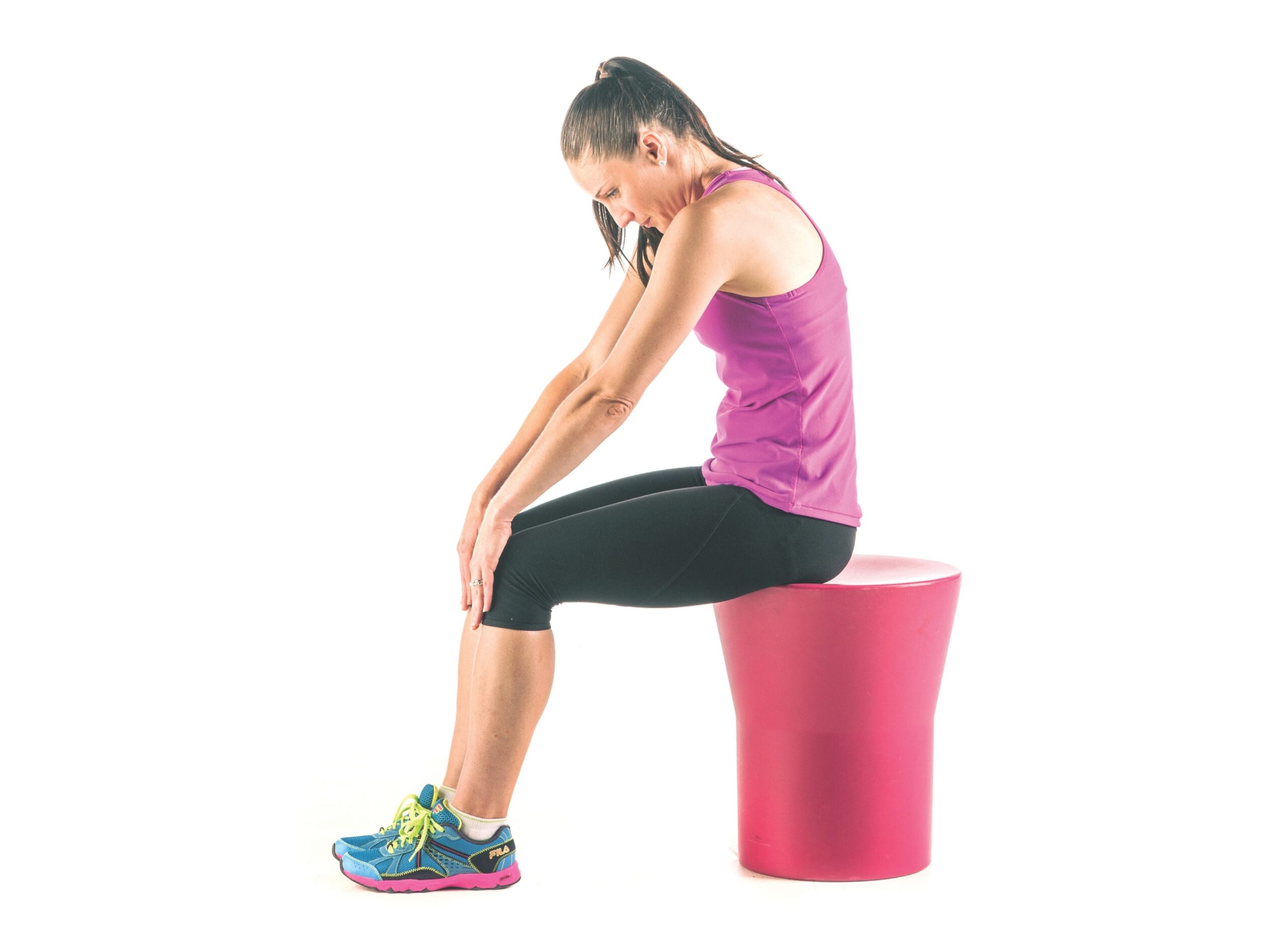
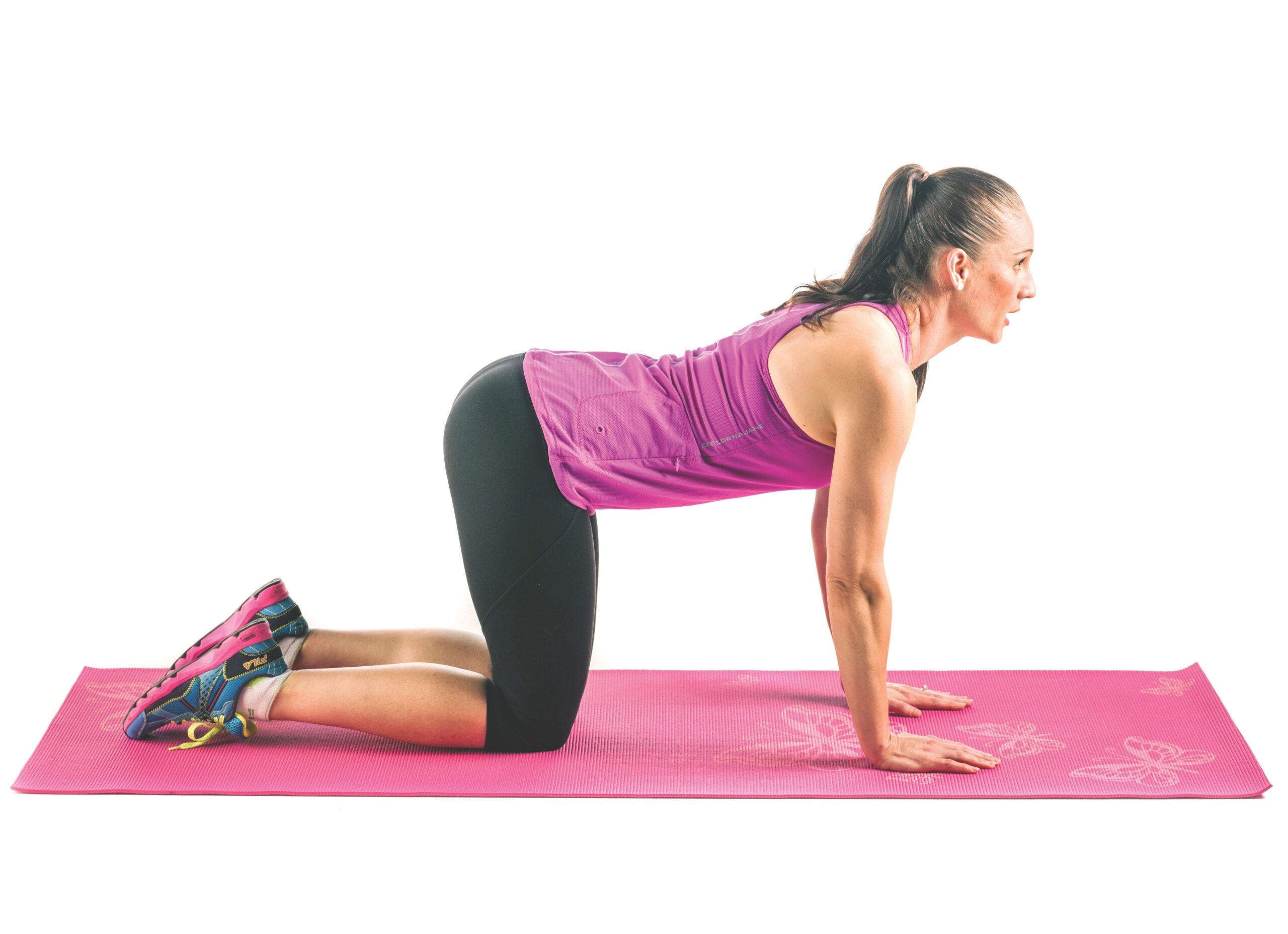
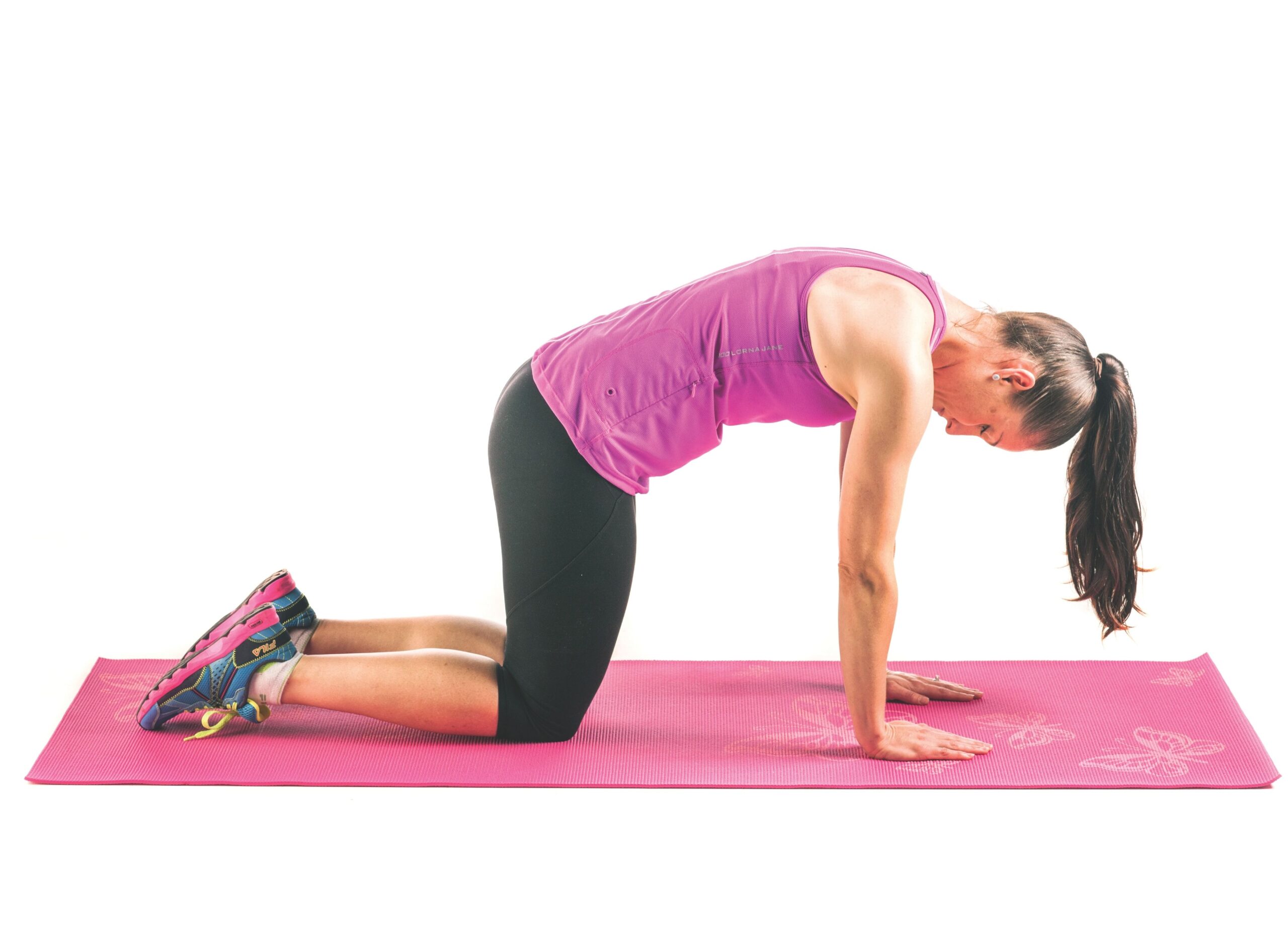
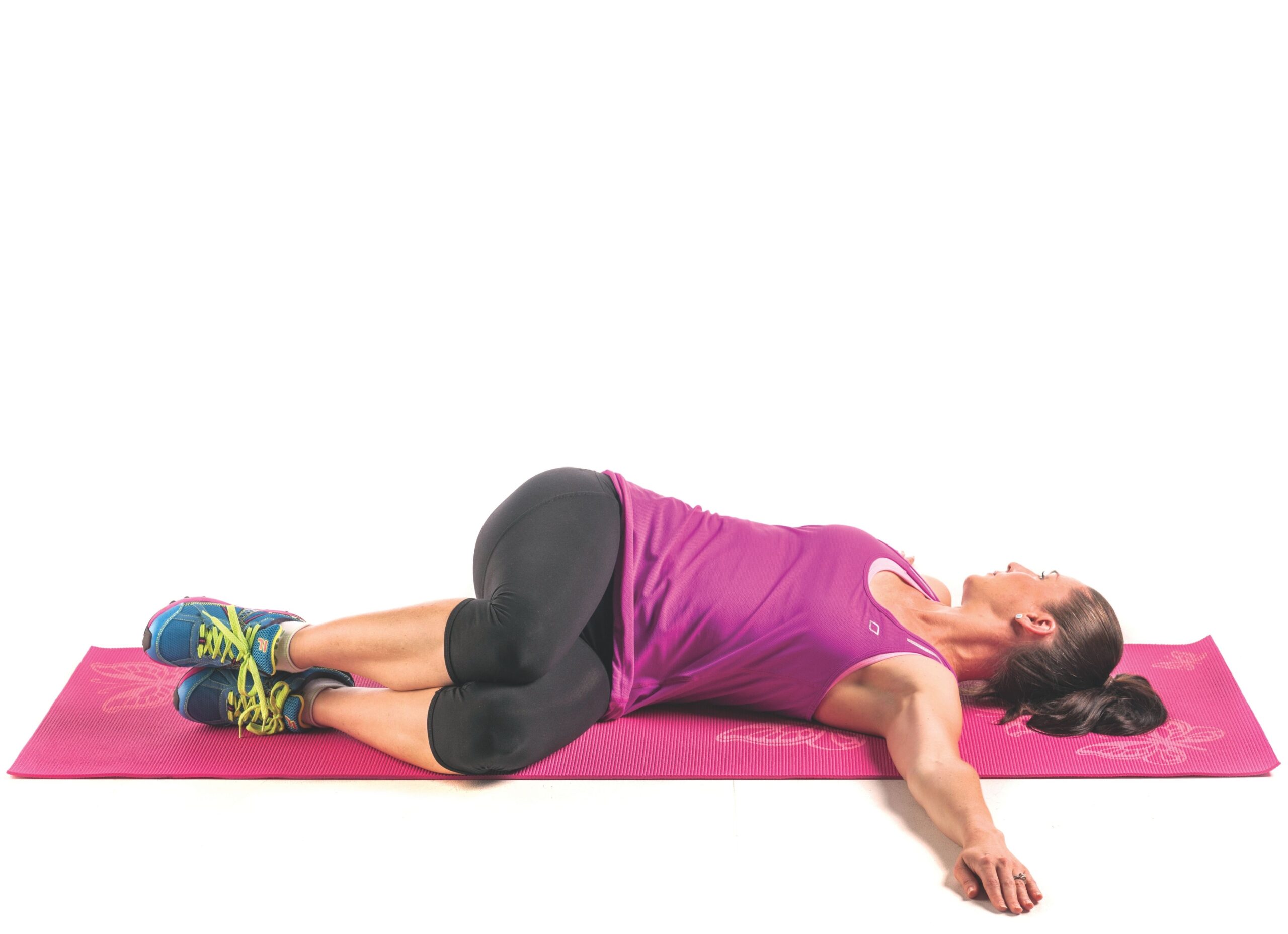
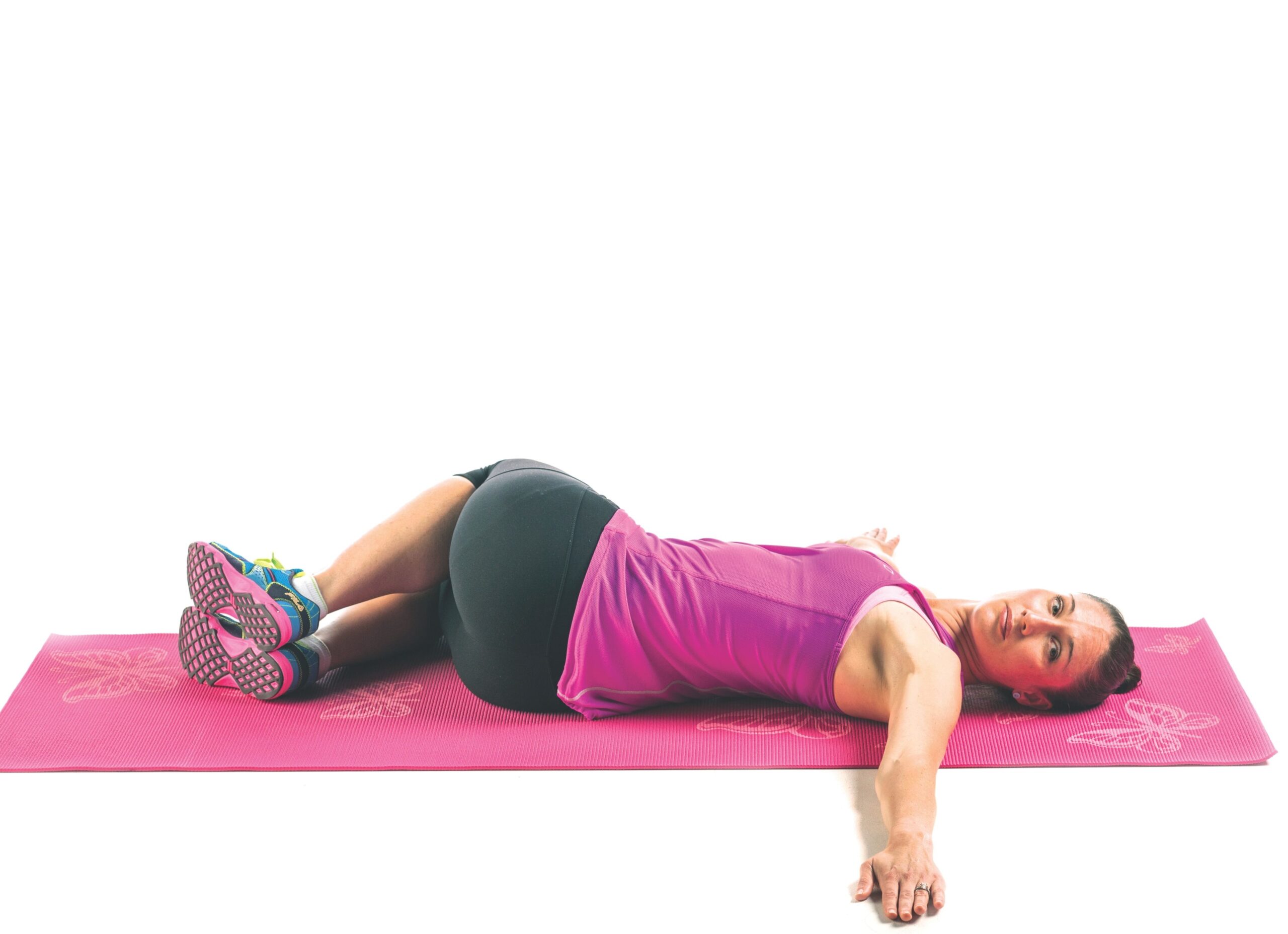
If any of the stretches in the previous passage are difficult or uncomfortable for you (this may especially be the case if you have had treatment for gynaecological cancer), you may like to try the alternatives pictured.
Stretching doesn’t have to be done as part of an exercise session. You may want to do stretches on the floor while watching television. Your family will get used to it and might even join in. Try stretching on the bedroom floor before you go to bed and enjoy the relaxed feeling afterwards. Regular stretching is also important if you sit at a desk or work at a computer all day.
Next - Pelvic Floor Exercises
Pelvic Floor Exercise
Today we want to talk about pelvic floor exercises and encourage you to start practising them every day. Pelvic floor exercises work by strengthening the muscles that support the bladder, uterus and bowel and the small muscles called ‘sphincters’ that prevent leakage from the bladder.
Urinary problems are very common, with one in three women suffering from some form of leakage or incontinence that often increases as they get older or after childbirth.11 Sometimes women notice this when they cough or sneeze or when doing vigorous activity. We want to emphasise that urinary leakage is not normal and should not be ignored
Pelvic floor exercises can be beneficial for bowel function too because they help to strengthen the muscles that support the rectum and anus. These muscles play a crucial role in bowel control and regularity and exercising them regularly can help prevent constipation and bowel incontinence. Another important benefit of pelvic floor exercises is they can potentially improve sexual function by increasing blood flow to the pelvic region and strengthening the muscles involved in sexual arousal and orgasm
With these simple exercises, you can prevent problems developing in the first place. If you currently have symptoms you can prevent them getting worse and even reverse them by doing regular pelvic floor exercises. For more information and an animation of pelvic floor exercises, please visit:
Next - How to do Pelvic Floor Exercises
How to do Pelvic Floor Exercises
Step 1: Become aware of the pelvic floor muscles
Sit comfortably, with your knees only slightly apart, on a chair, bed or on the floor. The easiest way to identify the pelvic floor muscles is to imagine you are trying to stop yourself from breaking wind while also stopping the flow of urine midstream. This means squeezing the muscles around your back passage so that they tighten. At the same time, squeeze the muscles around the vagina, pulling them into the pelvis. Together this will feel like a squeeze and lift. While you are tightening these muscles, nothing above the belly button should tense up, and your buttocks and legs should not move.
If you are having difficulty, you can locate these muscles by interrupting the flow of urine mid-stream. However, only do this to locate the muscles as doing it regularly may cause problems with your bladder. If you are still having trouble identifying these muscles while you are sitting down and relaxed, it may help to sit on a fit ball or a rolled-up towel.
Step 2: Fast contractions
- Squeeze and tighten these muscles (don’t squeeze your buttocks or abdominal muscles) and hold for 3 seconds
- Relax and rest for 10 seconds.
- Repeat 4 more times.
Step 3: Slow contractions
- Now squeeze and hold for 10 seconds (or as long as you can).
- Relax and rest for 10 seconds.
- Repeat 4 more times.
It is important for this exercise to:
- 1. Feel the contraction
- 2. Feel the hold (for 10 seconds)
- 3. Feel it let go
Make sure you are not holding your breath or tightening your abdominal muscles – breathe normally.
“I thought menopause was all about hot flushes, I had no idea until it happened to me that my bladder and bowel was going to be affected by the lack of oestrogen too. Every time I coughed or sneezed I let out a little wee or worse! I hated wearing pads again and feeling smelly. Luckily my nurse recommended a pelvic floor physiotherapist. I’ve learned some simple pelvic floor exercises like the ones suggested and I can now see an improvement.”
Maryann
Next - How to do Pelvic Floor Exercises (Continued)
How to do Pelvic Floor Exercises
(Continued)
It is important that you do both the fast contractions and the slow ones. The fast squeezes will help when you need a quick, strong force to stop leakages when you cough or sneeze. The slow ones will help with the constant load of keeping urine in your bladder and supporting your abdominal organs.
Start by designating a time for doing pelvic floor exercises, such as when you visit the bathroom in the morning. Once you have developed a routine for doing the exercises once a day at the same time, gradually build up to doing them twice a day.
You may find the exercises challenging at first but try to . As with other muscles in the body, the pelvic floor muscles will increase in strength and tone with regular exercise. With regular practice you will notice the benefits.
For more information, go to the Continence Foundation of Australia website at www.continence.org.au.
“It took me a while to get the hang of these exercises, but I am so glad I did. I am gradually undoing the damage caused by the birth of two big babies and can cough without doing that little embarrassing wee….”
Jodie
Wellbeing Journal
Write down when you will practice your pelvic floor exercises. Some women practice them after a trigger, such as when they finish cleaning their teeth morning and night. Before they know it they have the two sessions done for the day!
The important thing to remember about pelvic floor exercises is you need to do them twice a day for the rest of your life. By doing this you can prevent incontinence and improve your sex life!
Today's Check-in (Optional)
Today's Check-in
Record your intake of water, fruits, vegetables, and roughly calculate your consumption of calcium, fibre, iron and protein-rich foods. Record any activity you have completed today. Continue to exercise at a moderate intensity and aim to have a somewhat hard exertion level. Your goal this week is to complete at least three exercises of thirty minutes.
Day 2...
References
References
- PhysioAdvisor.com. Balance Exercises. 2022. Available from: https://physioadvisor.com.au/exercises/balance. [Movement ref 10]
- Continence Foundation of Australia. Understanding incontinence. 2021. Available from: https://www.continence.org.au/incontinence/understanding-incontinence. [Movement ref 11]
- Sousa MS, Peate M, Jarvis S, et al. A clinical guide to the management of genitourinary symptoms in breast cancer survivors on endocrine therapy. Ther Adv Med Oncol 2017;9(4):269-285, doi:10.1177/1758834016687260 [Movement ref 12]
- Di Nardo P, Lisanti C, Garutti M, et al. Chemotherapy in patients with early breast cancer: clinical overview and management of long-term side effects. Expert Opinion on Drug Safety 2022;21(11):1341-1355, doi:10.1080/14740338.2022.2151584 [Movement ref 13]